|
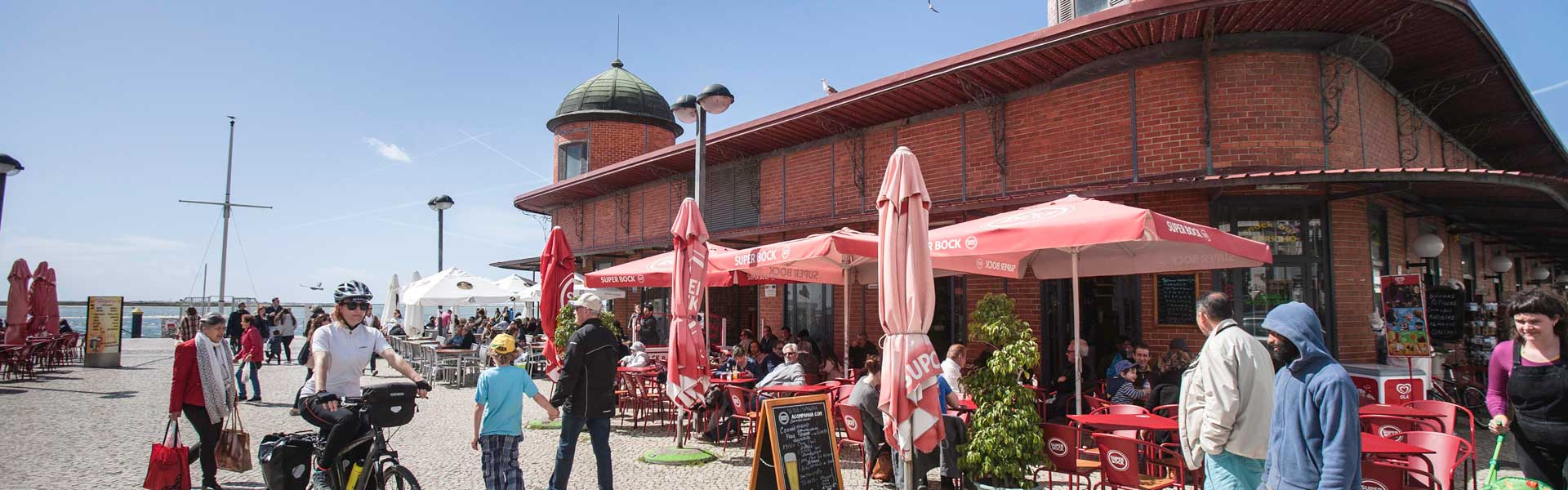
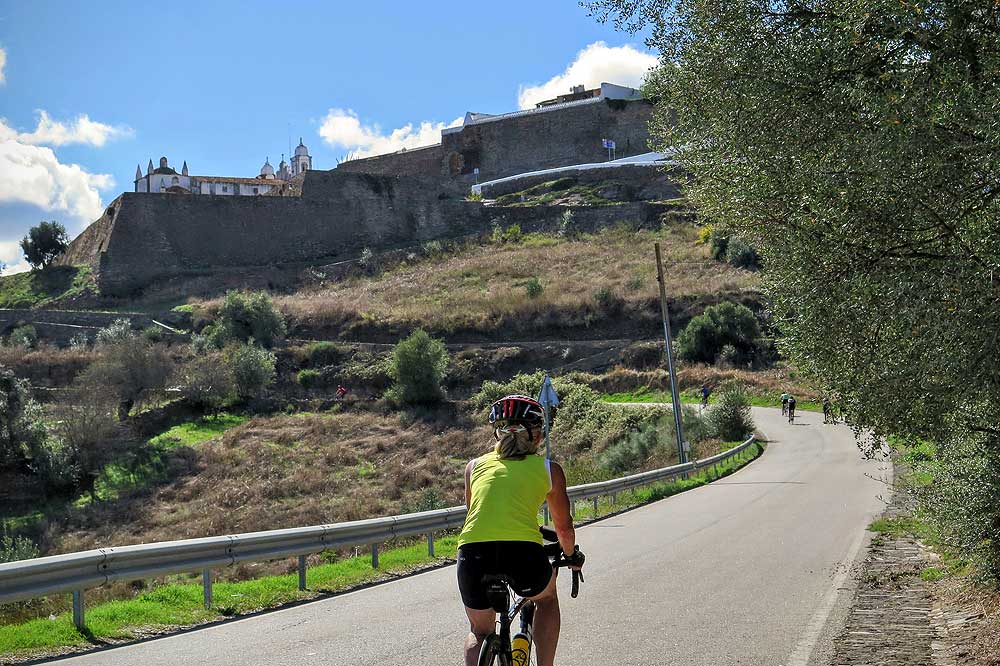
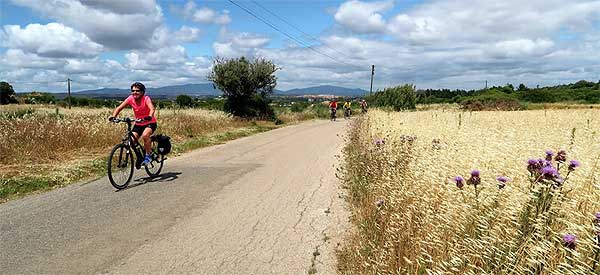
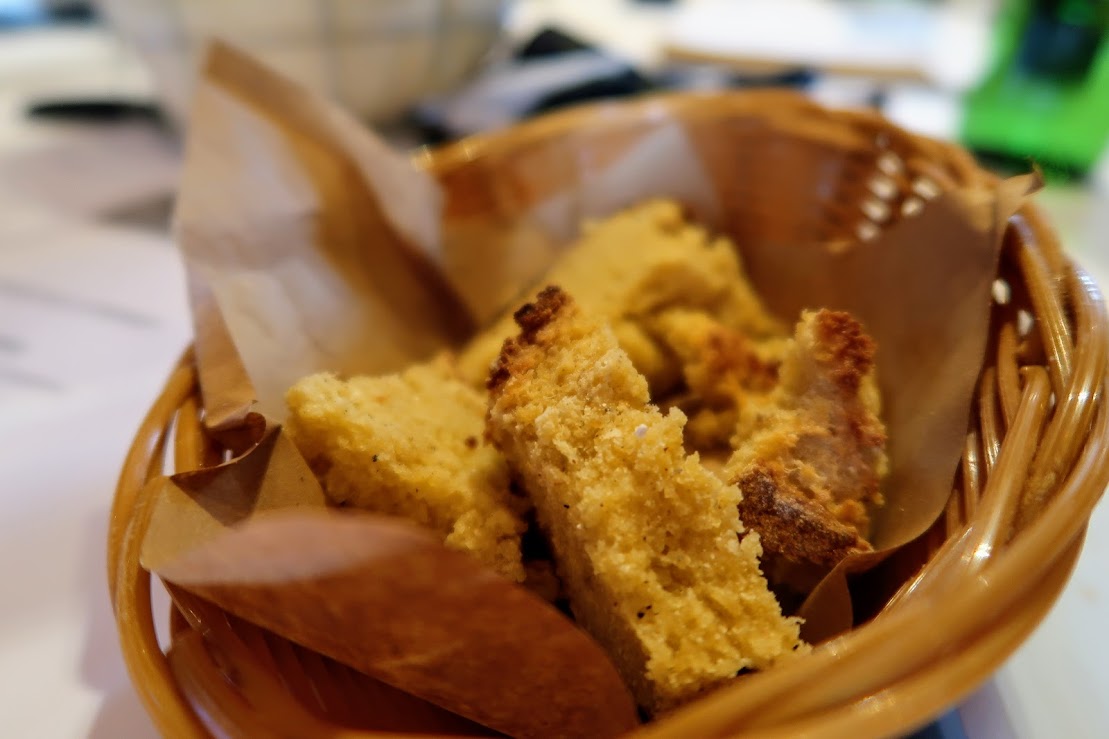
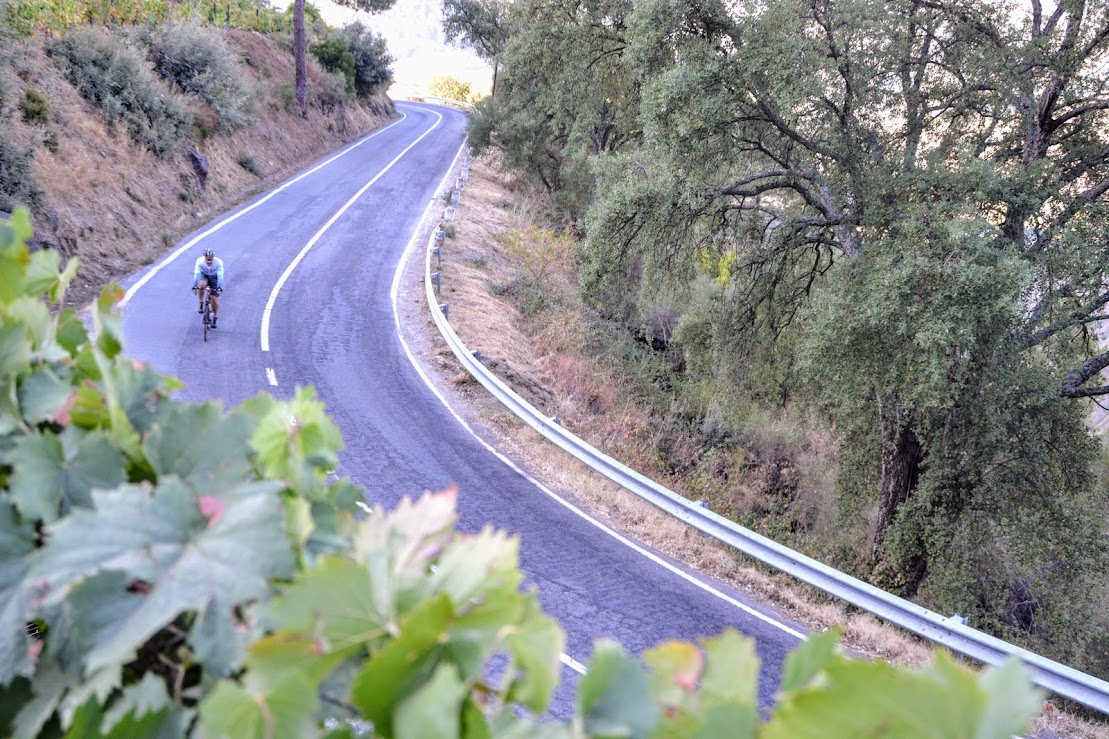
Join our good friend John Shell as he takes on Portugal’s Atlantic backbone the hard way, by cycling the EuroVelo 1 in reverse - from Sintra to Porto. What began as a simple bikepacking idea quickly turned into a full-blown adventure: winding fishing villages, empty coastal boardwalks, monster climbs, and finally, the ascent to the very roof of mainland Portugal. This is John’s honest, humorous, sometimes grueling, always beautiful ride report, complete with surprises, mishaps, and moments that make you fall in love with the road all over again. Ride to the Roof of Mainland PortugalMy ride to the highest point in the mainland was like nothing else. Whilst North of Porto offers stunning scenery along the Camino, riding to the Torre of the Serra de Estrela was just as brutal as it was beautiful. As a regular cyclist in Portugal, I had flirted with the Torre over the years but August brings searing heat heading through Alentejo and December the exact opposite; April seemed to be the more sensible choice. But I still had to be realistic. My choice of ride was a 29mtb and carrying my 16kg luggage in panniers and a front bar bag meant I had to sneak up on this monster via the Alva Valley then launch a ninja style 26km vertical attack. Also, like the previous six days cycling, I would be starting the day hungover. Lisbon Warm-Up: Beer, Bikes & Good OmensTwo nights in Lisbon. My story started with two nights in Lisbon, acclimatising on Super Bock and red wine, but avoiding all Fado; I ordered my Uber on a Monday morning and set off for Cycling Rentals HQ in pouring rain. However, after great craic with the team and setting up my bike the sun appeared, and it was to be a great weather omen! The first section was a 3.5 day ride along The Silver Coast, taking in Ericeira, Peniche, São Martinho do Porto and Nazare on the way. A fantastic mix of cliff top rides, gravel paths, fire-roads, on road and dedicated cycleways. Years ago, I’d stupidly try and cover the lot in a day on busy direct nationals and miss out on the joyous deserted side roads, beaches, woodland and coves. My choice of bike meant I could discover new areas despite my Garmin Sat Nav chirping away because I was off my pre-plotted course. At São Martinho do Porto a rather grande fellow cyclist came over, pointed at me and said “hey, fat is where it’s at”. Thankfully he meant the tyres and not me personally. We had a chat about the benefits of wider tyres for exploring the area. He wasn’t wrong because after that there was a pretty intense off-road climbing section that I’d mapped out that was a bit bumpy with the panniers! Gorgeous though and not a soul around the cliff tops. I chatted with a couple of British cyclists doing training circuits and hikers heading North, and the weather was beautiful for the duration with only a slight headwind, for once. There were some pretty meaty ascents, such as leaving Nazare, Foz do Arelho and Porto Novo / Maceria – great warmups for what was ahead! Following the Mondego: From Coast to MountainsOnce at Figueira da Foz the adventure really started as I headed East following the Mondego to its source. The Mondego is the longest river in Portugal that starts and ends in Portugal, its big brothers all starting in Spain. I’m not in a cycling club, rarely enter sportives or races and prefer to cycle alone so my ‘t-shirts and medals’ include somewhat geeky projects such as P2P – Pier (South Shields, UK) to Pier (Sopot, Poland), SOL2SOL - Stadium of Light (Sunderland, UK) to Stadium of Light (Benfica) as well as connecting various castles, bridges, coasts and setting off at 4am to try and catch the 07:30 train home from Thirsk, and similarly reaching Spennymoor before the 9am church bells! To tick off the Mondego in its entirety (Source2Mouth) was great, but the biggest t-shirt of all was looming. The ride from Figueira da Foz along the river bank was flat as a pancake and a very popular route, and I was able to leapfrog the Mondego a few times on a variety of road and trail surfaces before settling down on an arrow straight ride for my first ever visit to Coimbra. There was one road closure which meant I couldn’t go through a tunnel (another geeky thing!) but apart from that it was an amazing morning. Coimbra was absolutely rammed and building work at the City Park meant it was a bit hectic until I found a cut through the construction zone and into the lovely park and riverside. There is actually excellent cycling infrastructure and signage in Coimbra and I easily found myself through the city and heading east along the N17 and to the gateway roundabout for Penacova on the N110. Through the arch and a few kilometres in, things really got dramatic as the stunning valley became more pronounced and traffic all but vanishes – there was more birds of prey (Bonelli's eagle I think) than people. The N110 was lumpy but nothing troublesome and definitely a highlight, as was a pint at Bar Reconquinho and a plodge in the Mondego at Penacova. Return to Penacova and the Road to Base CampI’d been to Penacova a few years ago as I eyed the Serra de Estrela one winter. It was December and bitterly cold and wet. I was a lot fitter (and dafter) those days but the cold won. All of my gear was waterlogged and I couldn’t get anything dry – even taking bin liners out of bins to put on my feet. This time though I was determined to see this one through and left Penacova first thing for an important ride to what I called ‘base camp’. I set off in damp misty conditions – lights on! I didn’t have time for breakfast so I would catch up with fuel later, and luckily, I passed a brand new petrol station / diner for a bite to eat pointing at anything that didn’t look like a cake or tart! The weather picked up the further East I headed – crisscrossing major roads on what seemed like my very own spine road and private roads; locals cheered me on as I went through tiny villages and I had one conversation, in French, with a lovely man called Joseph. A couple of really hard climbs kept me on my toes in the now beautiful weather. It was a brilliant day, I had plotted a great route and felt a sense of relief as I reached Lourosa and a sense of dread and awe as I took in the mountains at Santa Ovaia. I had a quick pint at Café Milenio before dropping back down to sea level through Levadas and to the River Alva, a tributary of the Mondego. The Steak, the Bar, and Right Said FredI checked in at my hotel and headed out in my cycling gear to the one and only restaurant in Pte. das Três Entradas for a few pints in the warm afternoon sunshine. I asked if it was ok to eat, making the ‘knife and fork’ gesture, mumbling ‘comer’ – or was it ‘menu’ - and the waitress said ‘nao’ which I thought was a bit strange because everyone was eating! So I disgruntledly walked back to the hotel after a pint, got showered and changed and went back for one more try; there was another restaurant about half a mile away if I was rejected again! After ordering a pint, I was asked ‘would I like to eat’ by the barman – maybe it was my cycling socks, or my aftershave! The (probably) manager came over to me, pulled out his mobile phone and googled what could only be ‘farmyard animals’ and showed me the results…‘please, you pick animal’. Now the centre of attention from the silent locals in the bar and feeling like a Portuguese mini Squid Games contestant, I pointed at ‘cow’. I was hoping for a ‘Portuguese steak’, as in the Algarve tourist fayre, picking out ‘rice’ and ‘potatoes’ in our limited conversation. He then jumped in his car, and ten minutes later came back with a deep fat fryer! Oh well, at least I’m getting some chips with my cow! It was actually a delicious steak in sauce with rice and chips. I was bought a pint by a local, and as a bar we had a good chat about music and how the British 90’s was the best scene and I was in my element; as well using his phone as an abattoir shop window, the manager bluetoothed some tunes from The Charlatans, The Cure, Blur and Happy Mondays. When Right Said Fred boomed through the speakers, I decided to say goodbye to my new friends, probably missing out on Mr Blobby. The Big Climb BeginsSo the day had arrived and after a good sleep the hotel had agreed for me to have breakfast at 7am then an 8am departure chock full of scrambled eggs and bacon and umpteen coffees. I hardly used to hydrate which is a massive flaw and I came a cropper once a few years ago in Alentejo whilst cycling and camping in Serpa. As I arrived at the campsite at tea-time, I pitched my tent in what was boil-in-the-bag conditions. I was hit with what I can only describe as confusion and dread, like I was lost, all alone and miles from home. I was so hungry but couldn’t eat and so hot but I remember feeling cold. Awful. I went back into the camp office and booked another night, altering my trip. I knew I had made a big mistake. It took hours to pull round and lift my head up and for my heart, and myself to calm down. The same happened on a winter ride; just because it’s freezing cold doesn’t mean you neglect your drinks. I remember getting that ‘feeling’ just North of Castanheira de Pera; I was exhausted and phoned Catherine at Cycling Rentals HQ, I needed someone to tell me to pull in as soon as possible, drink lots of water, have a cuppa and refocus – I just had to speak to someone and thankfully she was there with the advice I needed to hear. Sorry for digressing, so on the big day I stuffed my face with cereal, eggs, bacon, yogurt and gallons of water and coffee. A new set of cycling gear top to bottom (I have a 4 day rule!) and I was ready for the day. Heading East on the N230 was an absolute dream; a hanging mist and the sun doing its best to blast it away, I had the whole valley to myself as I arrowed towards Vide and my take off. I had a choice of routes to the top, via ‘forward camp’ and I’d opted for the M518 and immediately into a back-breaking gradient; I got a thumbs up from a passing ambulance (!) and a ‘meu deus’ from a man as I stopped to strip out of my warmer layering. I pensively climbed into Muro, welcoming any flat or downhill sections with relief then just outside of Cabeca…road closed…a massive fence and JCB blocking my way. The road or rather hairpin had subsided and just crumbed into the valley. Luckily, construction workers had worn a path into the valley sides so it was possible to get around the ‘hole’ and over to the other side, so I stripped down the bike and made a few muddy and slippery crossings. OK I had to move some barriers and fences a little to get my bike through but it was hardly a desecration. A few bemused locals had started to assemble to watch me from the village 100m ahead, and there was a lot of chatter as I pulled into a coffee shop for a breather. After a short rest and relief that I wasn’t going to end up a wicker man, it was time again to hit the road and yet another brutal climb out of the village and North East towards Torre. The views were jaw dropping. Forward Camp and the Final PushForward camp was at the roundabout where M518 hits the N231 and of course there was a ‘road closed’ sign pointing where I had just came from! I had a good 30 minute rest, refuelled and called my Dad back home. A road sign let me know that all mountain roads were open and I was soon right amongst it; With 10km bagged, it was only 18km to the Torre, nothing more than my daily commute back home where I can get to work in 40 minutes; But this was something else, like nothing else. Jaw dropping scenery gave way to agonising climbs and fake flats. I can’t remember the exact gradient signs but 14% and 16% were common. There was nothing pretty about my riding style and the ticking of my drivetrain and creaking of my panniers was in sync with every breath. Winds were mercifully light and cooling as I inched my way forward in the bright sunshine. It was head down, don’t look up stuff. My knee that had been giving me some stick was sore but worryingly I could feel cramps building in my calves. I stopped frequently on the hairpins to consume a gel (I bought 7 in Lisbon) and have some water. Trouble was I was devouring my supplies rapidly, and then thought about topping up from a natural spring but getting dysentery from a dead sheep upstream and dying alone in a cave. I met the N339 crossroad and another project milestone. Fuelled by the bruised bananas and sweets from the reception desk it was 8k to the golf balls and the Torre. Turn right. The scenery was again unbelievable as I gathered impetus and loved all the waves and encouragement from passing traffic which had increased significantly. A swarm of flying ants couldn’t discourage me; I even felt buoyed to make my first ever Portuguese snowball and have a mock snowball fight with a Spanish family. Sunshine made way for clouds but despite the temperature drop I carried on in my shorts and t-shirt, waving goodbye to my fully insulated and gortexed amigos. It was taking an absolute eternity crawling to the Torre but finally I was on the home straight and I crossed the finish line with relief and a massive sense of achievement. Time for a can of Coke and a free chunk of bread and a chat with super friendly English women who drove past me on the way up. I gathered my breath, took it all in, took some photos, and about turned. Ready to descend the 20k into Seia. The Angry Descent and the Cold Atlantic WindMartin forewarned me about the descent and how cold it could get but it remained temperate as I carefully made my way along the N339, descending 5169 feet and ascending 470 feet! Again, film set scenery meant I was constantly pulling over to take a photo. The M513 via Sao Romao was completely devoid of traffic but it was nice to get a cheery wave from a bunch of hikers as I made my way to Seia. In all honestly, I thought I’d be a wreck but progressed at a good pace on the flat which just goes to show the effect altitude has, and of course the gradients. Oh god. As usual, the sun burning through the mist as I rode through Nelas, Santar, Parada de Gonta and Coval. Another gorgeous ride along quiet roads, and it was very up and down – nine times! At Santiago de Besteiros I spotted a ‘short-cut’ which meant I could chop off a big loop a few km’s from Caramulo. The ‘Caramulo tourist route’ was actually signposted, but what wasn’t signposted was the most outrageous gradient. Of course, something had to give when you look at the figures – climbing 1500ft in 8.5km or climbing 1500ft in 1.5km. Option B looked good on paper but the look on the face of the fork lift truck driver at (checks Google maps) Nutrofertil - Nutrição e Fertilizantes didn’t! It was absolutely crazy, as tough as anything the previous day. Maybe the toughest climb; and I was against the clock to be at Caramulo for 15:00 to watch the Sunderland game. Caramulo was actually pretty windy and cold because I was now just about to tip over to the Atlantic side of the mountain range. Due to the Easter Holidays the local eatery did not have much produce so it was a few beers and crisps, but the hotel did knock me up a nice sandwich and a bowl of soup to warm me up! I left Caramulo the next morning and climbed (for a change) on the N230 for maybe 45 minutes and then the cold Atlantic wind hit me, and as I descended at speed it really hit me – it was absolutely perishing. At 9 am the sun had no effect; I did have some gloves but they were at the bottom of my bag and I had no cycling leggings, just shorts. The wind chill must have been easily into the minus column as I descended towards Agueda and I was absolutely blue. You were right Martin, you just didn’t say which bloody mountain! I stopped to defrost at Restaurante Almeida in Souralvo and made friends with a canary. Wind, Traffic, and a Near Miss on the CoastThe next few hours' ride was quite bizarre as I headed towards the coast and Praia de Mira. Looking back, I’d try to re-map this section. For the first time I’d hit very heavy traffic, probably due to the Easter holidays now being over, but I was also heading due West over and under the IC1, IC2, IP1. When you see signs for Averio, Porto and Lisbon it’s understandable that traffic will be a concern. Most drivers of course give you plenty of room but it was very uncomfortable on fast busy skinny roads around Palhaca and Santo Andre. It wasn’t pleasant. Traffic thinned out as I closed in on Mira but the wind had picked up significantly enough to be a problem and I battled strong crosswinds. What I thought was a big lump of cardboard getting blown around in mid-air about 50 ft in front of me was actually part of an aluminium shop front that the wind had torn off. It hit the ground with almighty crash and cartwheeled across the road, narrowly missing me and a car on the opposite side. I actually pulled over just to take in that had I been 3 seconds quicker I could have been in quite a serious accident. The winds at Praia de Mira were so strong that outside areas were closed and I had to enjoy my pint indoors after being sandblasted on the promenade. That night I enjoyed many a Guinness in a lovely bar that honestly only played Genesis! Have they not heard of Right Said Fred? Coastal Spin to Aveiro and the Final Push to PortoThe penultimate day’s cycling and a kind of rest day with only a 20k hop to Aveiro. Unfortunately, the awful headwind ruined what should have been a gentle stretch along the coast. Thank God the worst wind was for the shortest ride. More good luck weather! The final day had arrived and as always, it was a mixture of sadness and pride; I’ve never bothered looking at the timetable for the ferry to Bairro dos Pescadores so like always I just headed to the port. If the ferry is in – great, if not, it’s a good time to sit on the quayside and take it all in. I could now place the mountains to the East – the Serra do Caramulo and it was such a clear day I could make out where I came over. I met a Welshman on his motorbike who was on his way to Morocco and a guy from New Jersey came over for a chat about my tour. I disembarked the ferry and onto the N327, which is a lovely road and always light in traffic but popular in cycling! Flanking the Aveiro Lagoon it’s a real chance to score some serious speed heading North – as long as the wind was in your favour, and today, much to my surprise…it was! The wind had totally died down. The 55k ride to Porto is a great final stage and has a little bit of everything – apart from climbs. The only downside was the bar on the lagoon where I usually stop for a coffee had closed down. At Carregal (Ovar) I took a left and back onto the Atlantic coast for a short while at Furadouro, before I picked up a lovely dedicated cycleway through the Parque de Merendas do Furadouro. Although the weather was dry, it had been raining (more weather fortune!) and there was lots of surface water so extra care was needed on the slippy wooden duckboards. There is an airbase in the forest and the GNR had taped off a section of the cycle path because of what looked like an accident at the back of the runway - as if an aeroplane had missed it and crashed through the forest path. I took a left at Cortegaca and again it’s a dedicated cycle track back on the Atlantic coast and a breather at the beach. The twin cities of Esmoriz and Espinho offer a curious mix of housing developments, working Portugal and tourism with the hustle and bustle hemmed in by the alluring Atlantic Ocean and wide beaches. The cycle path was busy as always and it’s impossible to cover ground quickly. Roadside eateries and cafes were packed, fishermen tended their nets and cyclists and walkers enjoyed the sea front. I can come back in 100 years’ time and there will still be public works along the railway line so it was a bit hectic at the very North of Espinho, thankfully more duckboards along the beach meant I could continue North without too much adjustment and into Porto district proper. Traffic was heavy but never burdensome, roads and paths were wide and there was always ample opportunity to get onto the Atlantic coastal path amongst grand residential buildings. It’s a slight climb to Porto, hardly noticeable amongst all of the cafes, wine bars, bistros and apartment blocks overlooking the sea for the final few kilometres and the Pedra do Cão – the dog stone – and a first glimpse of The Douro and a final glance back South to where it all started 9 days previously. Crossing the Finish LineI enjoyed a beer on the quayside then pedalled the last few kilometres to one of Cycling Rentals partners to drop off my bike and pick up my couriered case from Lisbon. I chatted to the friendly staff about the trip and stripped down the bike of my bags and lights and threw everything into my case – bike number 131 we made it! It was handshakes all round and a pat on the saddle for 131. I picked up my suitcase and opened the door and I was met by a terrible storm, it was horrendous, just like back in Sintra. Still, it was only a short walk to my hotel, uphill of course! Saúde!
0 Comments
Portugal is one of the best places in Europe for gravel bike touring, with something to offer cyclists of all levels. From the stunningly picturesque coastlines and rolling vineyards of the Algarve to the rugged, mountainous terrain of the Serra da Estrela, gravel biking through Portugal is an incredible experience. With its quiet roads, challenging climbs, and stunning views, this country is the perfect destination for an unforgettable cycling adventure. In this guide, we’ll take a look at the best routes and places to explore on your gravel bike tour in Portugal. We’ll also provide insider tips on where to stay, what to eat, and how to make the most of your cycling experience. So, let’s get started and explore some of the best gravel bike touring routes and places in Portugal! Table of Contents
What to Expect on a Gravel Bike Tour in PortugalPortugal is well-known for its stunning landscapes and picturesque villages, but its growing reputation as an adventure travel destination is attracting an increasing number of adventure travelers every year. And a growing number of adventure travelers are discovering the joys of gravel biking in Portugal. Although it’s not yet as widely known for its gravel roads as other cycling destinations in Europe, Portuguese gravel bike routes are growing in popularity and numbers. Why gravel bike in Portugal? You can expect to experience: A varied landscape and terrain - Cyclists visiting Portugal can expect to ride through a variety of landscapes, ranging from the rugged, mountainous terrain of the Serra da Estrela in the north, to the rolling vineyards of the Alentejo, and the sunny beaches of the Algarve in the south. And while you’ll find some superb paved roads to cycle, Portugal has an amazing network of unpaved gravel roads, perfect for adventure cyclists. Quiet and scenic roads - While there are some busy roads in Portugal, the majority of the roads you’ll travel on your gravel bike tour are quiet, unpaved roads through picturesque landscapes.
Where to Go: The Best Gravel Routes and Places to visitIf you’re looking for the best places and routes for gravel biking in Portugal, there are a number of options, but these stand out for me as the best places to start exploring Portugal your gravel bike adventure. EuroVelo 1The Eurovelo 1 bike tour is an adventurous but also safe way to experience Gravel riding in Portugal. I recommend starting in Porto and ending in Lisbon, or Faro, depending on your time and logistics. Along the way, you can discover secluded beaches, shady pine forests, charming seaside villages and at the right time of year you might see the world's largest waves to ever be surfed! AlgarveThe Algarve, the southernmost region of Portugal that runs east to west along the Atlantic Ocean, is an incredibly scenic part of the country, known for its beaches, coastal marshes and rugged landscapes. The quiet, paved and gravel roads of the Algarve are perfect for cyclists, and there’s a number of great routes that you can explore while you’re there. Central AlentejoThe central Alentejo region is home to the city of Évora, a UNESCO world heritage site, and is a great place to spend a few days on your gravel bike tour. The central Alentejo has a number of excellent gravel roads, such as the road to the UNESCO site at Évora, which is long but not difficult. Rota VicentinaThis is one of my personal favourite gravel routes anywhere in the world! Starting from Lisbon or Setubal, you can cycle down the west coast of Portugal on small country lanes and gravel roads following the rugged coastline all the way down to Lagos. There are several route options to choose from and depending on your appetite for miles, you can make it a leisurely week long bike tour to stop and sample the excellent beaches - or do the whole 300 + km route over a long weekend. Historic Villages of Serra da EstrelaThe Serra da Estrela is a stunningly rugged, mountainous region in Portugal, in the north of the country, and is a great place to ride a gravel bike. The road connecting the towns of Manteigas and Seia is a popular gravel road, and is a great route for exploring the region. Where to Stay: Accommodation OptionsIf you’re visiting for a gravel cycling adventure, you’ll likely want to stay at a place that is both close to the best gravel roads in Portugal and close to the best sights, points of interest and restaurants. Fortunately, there are plenty of superb accommodation options in Portugal that make perfect basecamps for gravel biking, at all price points. Here are a few of my favourite types of accommodation in Portugal: Ocean front coastal hotelsIf you’re visiting during the summer months, it’s hard to top the coastal hotels along the sparkling West Coast or the Algarve. These coastal hotels offer stunning views of the Atlantic Ocean, and many are just off some of the best gravel roads in southern Europe. Historic town boutique hotelsIf you’re visiting the central Alentejo or the Historic Villages around the Serra da Estrela, town and village hotels are a great option. These hotels are often located in historic buildings or former palaces, and are a great way to experience the culture of the region, with a touch of luxury. Note that bookings can be hard to obtain in the high season! Rural hotels or B&BsFrom north to south, inland or on the coast, you will find wonderful, family-run rural hotels and bed and breakfast accommodations, where you can get a privileged insight into the local way of life, often in unique locations such as tastefully decorated farms, old mills or renovated village homes. CampsitesIf you are happy to forgo the comforts of a roof over your head, you are in luck too! Portugal is home to some outstanding campsites, and I do recommend using them if you want to use a tent - as wild camping is prohibited by law in Portugal. Even the most basic campsites offer good amenities onsite or very nearby. What to Eat: Portuguese CuisineThere are a couple of things to keep in mind when ordering Portuguese cuisine. First, a lot of Portuguese dishes are served in portions that are more than enough for one person, so you might have some leftovers. Also, many Portuguese dishes are served with rice or potatoes as a side, so you'll never run short on carbs! Aside from the heartier sit down meals, you can always find excelent soup and toasted sandwiches on most cafe menus. There are a couple of things that are commonly eaten in Portugal, regardless of the region. For example, you will find seafood on most menus, as the country is surrounded by the Atlantic Ocean. Seafood dishes might include fresh grilled fish, squid, octopus, clams, and of course, cod. You will also likely find traditional Portuguese meat dishes on most menus. Some of these include roast pork, steak sandwishes (which make a great cycling snack!), light salads and hear feijoada (a bean and meat stew). But if a modern brunch is more your scene, fear not - most larger towns have what you're looking for too! Eating vegetarian in Portugal isn’t difficult, either. Many restaurants offer excellent vegetable-based options, and as I mentioned above, rich Portuguese soup is a perfect staple for meat eaters or vegetarians alike!
Essential Tips for Gravel Biking in PortugalEnsure you have the right bike for the terrain and that you can lift your bike over obstacles. Stay on marked trails as best you can to avoid trespassing and be aware of potentially dangerous natural features. Tap water is safe to drink in Portugal, but make sure you can carry enough water across longer sections between settlements, and drink only from approved fountains (look for signs stating Água Potável / Água Controlada). I speak from experience on both counts! Be prepared for all-weather conditions. Visit in May or September for the (historically) best weather; avoid the peak of summer and fall during harvest season if want to avoid crowds. Bring a helmet - Although helmet use is mandatory for motorcyclists in Portugal, it is not required for cyclists, but it is still highly recommended. Especially when riding off main roads and if you choose particularly technical terrain. In summer make sure you keep your cool: you will do well to pack some electrolyte tablets as the heat will make you sweat more than usual as the temperatures can be in excess of 40ºC! Avoid the hours of peak heat (anywhere from 2 to 6 pm) particularly when away from stettlments. Pack and dress appropriately - The weather in Portugal can be remarkably varied, particluarly in the interior - so make sure to dress appropriately for both hot and cold temperatures, and naturally the season you choose to travel.
Gravel Biking in Portugal: It's Not All About the BikeDepending of whether you are a fan of riding a drop bar or flat bar bicycle, I recommend a gravel bicycle with ample room for all terrain tires exceeding 40mm in width. - we love our Michelin Protek Cross tires that offer great on and off road traction! While navigating steep descents, it is imperative to have dependable disc brakes, and for steeper climbs, opt for wide range gears - we like a simple and easy to service 1 X setup with 11-45T cassette and a 40T chainset for most conditions. Additionally, tubeless or sealant-filled tires are a must in my opinion! You certainly need the right bike to enjoy unpaved gravel roads, but it does not need to be what the marketing team tells you to ride - it's all about finding a comfortable bike that will allow you to enjoy longer days on unpaved roads, away from the cars and savouring the sounds and sight of nature once more. Whether you’re looking to explore the around the rugged mountains of the Serra da Estrela, the coastal towns along the Costa da Prata, the interior or coastal Algarve, or the historic towns of coastal and central Alentejo, there are plenty of great routes to explore. So beyond your choice of bike, the real issue might be trying to pick a single gravel route! And with a variety of accommodations available in different regions, there’s no better place to book your next adventure than Portugal. So, what are you waiting for? Head to Portugal and explore some of the best places and routes for gravel biking in this stunningly beautiful country!
Frequently Asked Questions: Gravel Bike Touring in PortugalPlanning Your TripQ: What's the best time of year for gravel bike touring in Portugal? A: The ideal seasons are spring (March-May) and autumn (September-November) when temperatures are comfortable (15-25°C) and rainfall is minimal. Summer can be very hot, especially in the interior regions where you find some of the best gravel riding, while winter brings more rain to northern areas. For coastal routes, late spring and early autumn offer perfect conditions with fewer crowds. Q: How many days should I plan for a gravel bike tour in Portugal? A: This depends on your route and experience level. A weekend trip (2-3 days) works well for regional loops around main cities with good transport connections. For a comprehensive north-to-south adventure, plan 8-14 days covering 60-100km daily. First-time visitors often find 5-7 days perfect for exploring one or two regions thoroughly. Q: Do I need to speak Portuguese to go gravel bike touring? A: While helpful, it's not essential. Most accommodation providers and bike shops in popular areas speak English. However, learning basic phrases like "Onde fica..." (Where is...) and "Preciso de ajuda" (I need help) will enhance your experience, especially in rural areas. Download offline translation apps as backup! Routes and TerrainQ: What's the difficulty level of Portuguese gravel routes? A: Portugal offers routes for all levels. Coastal paths like the Rota Vicentina are relatively flat and suitable for beginners. The Serra da Estrela and northern interiror regions feature challenging climbs with gradients up to 15%. Most routes combine varied terrain - expect rolling hills, some technical sections, and beautiful flowing gravel roads. Q: Are Portuguese gravel routes well-marked? A: Established routes like the Rota Vicentina have good signage, but many gravel tracks aren't officially marked. GPS navigation is essential - download routes from platforms like Komoot or Strava beforehand. Many local bike shops and tour operators provide detailed route files and printed maps. A great resource is Bikepacking.com Q: What's the road surface like on Portuguese gravel routes? A: Surfaces vary significantly. You'll encounter smooth packed earth, loose gravel, rocky sections, forest paths, and old Roman roads. Coastal routes tend to be sandier, while mountain areas feature more technical terrain with larger rocks and shale. Tubeless tires with good tread are highly recommended. Equipment and Bike SelectionQ: What type of gravel bike is best for Portugal? A: A versatile gravel bike with wide tire clearance (40mm+ tires) works best. Look for reliable disc brakes for steep descents, a wide gear range for challenging climbs, and consider tubeless or sealant filled tires! Many rental companies offer high-quality options specifically configured for Portuguese terrain. Q: Should I bring my own bike or rent locally? A: Both options work! Renting locally saves travel hassle and provides bikes optimized for local conditions. Quality rental companies offer well configured bikes with support services. If bringing your own bike, ensure it's insured, well serviced beforehand and pack essential spares. Nothing worse than arriving for a bike tour with a damaged or missing bike! Q: What essential gear should I pack for Portuguese gravel touring? A: Pack layers for variable weather, including a light rain jacket. Essential items: helmet, glasses, gloves, multi-tool, spare tubes, tire levers, pump, chain lube, and first aid kit. For multi-day tours, add panniers or bikepacking bags. Don't forget sun protection - Portuguese sun can be very intense even in cooler months. Practical ConsiderationsQ: Where can I find bike-friendly accommodation in Portugal? A: Many pousadas, quintas (rural properties), and hotels cater to cyclists. Book accommodations along established routes like the Camino de Santiago or Rota Vicentina for guaranteed bike storage and washing facilities. Camping is also popular, with excellent facilities in national parks and coastal areas. Q: What about food and water during long gravel rides? A: Portuguese villages typically have cafés serving excellent coffee and pastries - perfect rest stops. Carry 2-3 liters of water for longer rides, especially in summer. Local specialties like pastéis de nata and bifana sandwiches provide great cycling fuel. As mentioned above, many fountains Q: Is it safe to cycle on Portuguese gravel routes? A: Portugal is generally very safe for cycling. Drivers are generally respectful, and crime rates are low. Main risks are mechanical issues and getting lost in remote areas. Always inform someone of your route, carry emergency contacts, and consider riding with others in isolated regions. Mobile coverage is generally good but can be spotty in mountains. Regional HighlightsQ: What are the must-see regions for first-time gravel bikers in Portugal? A: Start with the Algarve's coastal paths for easier terrain and stunning views. The Douro Valley offers incredible vineyard landscapes with moderate climbing. For experienced riders, the Serra da Estrela and Aldeias Historicas provides challenging mountain terrain. The Costa Vicentina combines coastal beauty with varied gravel surfaces - perfect for mixed-ability groups. Q: Can I combine gravel biking with other activities? A: Absolutely! Portugal's compact size makes it easy to combine gravel biking with surfing or kayaking along the Atlantic coast, wine tasting in the Douro or Alentejo regions, exploring historic cities like Óbidos and Évora, or hiking in national parks. Many tour operators offer multi-activity packages. Q: Are there organized gravel bike tours available? A: Yes, several companies offer guided and self-guided tours that offer fully supported experiences with accommodation, meals, and mechanical support included. Self-guided options offer more flexibility while still providing route planning and emergency support. Logistics and SupportQ: What happens if I have mechanical problems in remote areas? A: Carry essential tools and spare parts for common issues. Many bike rental companies provide support hotlines and can arrange pickup or replacement if needed. Portugal has excellent mobile coverage in most areas, making communication easier. Q: How do I transport my bike within Portugal? A: Portugal's train system (CP) allows bikes on most regional services with advance booking. Buses typically require bike bags. Many rental companies offer pickup/drop-off services between major cities. Q: What's the budget for a week-long gravel bike tour? A: Budget varies widely based on accommodation and service level. Self-supported camping tours can cost €30-50 per day, while mid-range hotel tours cost €80-150 daily. Premium guided tours range from €150-300 per day. Bike rentals typically cost €25-45 per day, with discounts for longer periods. Ready to start planning your Portuguese gravel adventure? Contact our team for personalized route recommendations and bike rental options tailored to your experience level and interests. I'll never forget the moment I first laid eyes on the Portuguese coast from my bike saddle. After months of planning and worrying about whether I'd made the right decisions about equipment, routes, and timing, there I was – pedaling along the Atlantic with a good friend, salt spray on my face and the most incredible sense of freedom I'd ever experienced. That first bike tour through Portugal changed everything for me, leading me into the business we now run. But if I'm being honest, I made plenty of mistakes along the way that could have easily been avoided with better preparation. After multiple tours through Portugal and countless conversations with fellow cyclists, I've learned what really matters when planning a cycling adventure in this incredible country. Let me share what I wish someone had told me before that first trip. Table of Contents
The Great Bike Debate: Bring Your Own or Rent?This was my biggest source of anxiety before my first tour outside Portugal. I spent weeks agonizing over whether to ship my beloved touring bike or trust a rental. Looking back, the decision is much simpler than I made it out to be. I brought my own bike on my first trip, and while it worked out fine, I've since learned that renting locally is often the smarter choice – especially for your first Portuguese adventure. Here's why I now recommend renting for most people: When I dragged my bike through Marakesh airport, dealt with the stress of potential damage, had to haul bike, bags while navigating hawkers - and paid €180 in airline fees, I started questioning my decision. Then I met Sarah, an Australian cyclist who'd rented a great touring bike in town. Not only had she saved money on a two-week trip, but when she had a mechanical issue leaving Marakesh, she simply called her rental shop and they arranged repairs at a partner location within hours. That kind of support network is invaluable when you're cycling through unfamiliar territory. I've since used rental bikes on three of my international bike tours, and the quality has consistently impressed me. Companies specializing in cycle touring usually maintain their fleets meticulously because their reputation depends on it. The math is straightforward: if you're touring for less than three weeks, renting will likely save you money. More importantly, it saves you stress and gives you local support when things go wrong – and things sometimes do go wrong. Understanding Portuguese Cycling CultureOne of my biggest surprises was how cycling-friendly Portugal turned out to be, especially compared to some other European countries I'd toured. Portuguese drivers are generally patient and courteous with cyclists, particularly in rural areas where cycling tourism is common. I was initially nervous about traffic, but I quickly learned that outside major cities, Portuguese roads can be a cyclist heaven. The drivers seem to understand that cyclists are part of the landscape, especially along established touring routes. Riding between vilages, I have generally found that they'll give you space, wait patiently for safe passing opportunities, and many will even wave or offer encouragement. The legal requirements are refreshingly simple too. While helmets aren't mandatory for recreational cycling (though I always wear one), you do need lights during darkness – white front, red rear. The 1.5-meter passing rule exists and is generally respected. What really struck me was how the Portuguese embrace cycling as a normal part of life, not just a sport or tourist activity. In smaller towns, you'll often see locals cycling to markets or cafés, creating a welcoming atmosphere for touring cyclists. Timing Your Tour: Why I Now Avoid SummerMy first tour was in July. Big mistake. While the long daylight hours were appealing, the afternoon heat in central Portugal was brutal. I found myself hiding in cafés during the hottest parts of the day and starting rides at 6 AM to beat the sun. Now I plan all my Portuguese tours for shoulder seasons, and the experience is dramatically better. My favorite time is late April through May – the wildflowers are incredible, temperatures hover around 20°C, and you'll have routes largely to yourself. The countryside is lush and green, creating perfect photo opportunities around every bend. September through October is equally fantastic - with November sometimes being a wilcard month for blue skies and perfect temperature, particularly in the Algarve! The weather remains warm but comfortable, harvest season brings food festivals, and accommodation prices drop from summer peaks. I've had some of my most memorable cycling experiences during Portuguese autumns, pedaling through golden vineyard landscapes with perfect riding conditions. If you must cycle in summer, focus on coastal or riverside routes (Eurovelo 1, Rota Vicentina, Minho) where Atlantic breezes provide relief, start early, and plan longer midday breaks. I learned this the hard way after a particularly grueling day cycling inland from Évora in 38°C heat. Regional Discoveries That Surprised MePortugal might be small, but the cycling diversity packed into this country amazed me. Each region offers completely different experiences, and I've learned to match routes with my mood and fitness level. Following my first ride down the west coast, the Douro Valley was my introduction to just how challenging Portuguese cycling can be. Those vineyard terraces are stunning, but they come with serious climbs that left me questioning my fitness level. The reward, though – cycling through UNESCO World Heritage landscapes while stopping at quintas for wine tastings – made every uphill battle worthwhile. If you're tackling the Douro, embrace the climbs as part of the experience and don't try to rush. Central Portugal, around regions like Óbidos just inland from the Eurovelo 1 route, became my comfort zone. Rolling hills, medieval towns, and manageable distances between stops make this area perfect for intermediate cyclists or anyone wanting a more relaxed touring pace. I've returned here three times because it strikes the perfect balance between challenge and enjoyment. The Alentejo region in the south completely surprised me. I expected flat, boring terrain based on maps, but found subtle rolling landscapes, cork oak forests, and some of the most authentic Portuguese culture I've encountered. Cycling through the Alentejo feels like stepping back in time, with traditional whitewashed villages and genuine hospitality that's harder to find in tourist-heavy areas. Portugal's coast deserves special mention. The Atlantic coastline offers stunning scenery, but don't underestimate the wind. I learned to check weather forecasts religiously after battling brutal headwinds for an entire day along the Silver Coast. When conditions are right, though, coastal cycling in Portugal is pure magic. Accommodation Lessons Learned the Hard WayI won't pretend to be a campsite bike-packer any more, these days I love "credit-card" bike touring, and my accommodation strategy has evolved significantly through multiple Portuguese tours. Initially, I tried to book everything in advance, which worked fine but limited my flexibility. Now I use a hybrid approach that's served me much better. For popular areas like the Douro Valley or coastal Algarve, I book 2-3 nights ahead during peak season. But in rural areas, some of my best accommodation experiences came from stopping at quintas or casas rurais I discovered while cycling. These family-run guesthouses often provide the most authentic Portuguese experiences – hearty breakfasts, local knowledge, and genuine hospitality that chain hotels can't match. I always look for "bike-friendly" accommodations now, which typically means secure storage, basic tools for adjustments, and understanding of cyclist schedules. Many Portuguese accommodations that cater to cycle tourists will serve early breakfasts and prepare packed lunches – services I now consider essential for successful touring. Camping in Portugal is fantastic if you're prepared for it. The campgrounds are well-maintained and reasonably priced, but wild camping requires more caution - as it is illegal... I always ask permission from landowners and stick to established camping areas when possible. Food, Glorious Portuguese FoodPortuguese cuisine turned out to be ideal cycling fuel, though it took me a while to adapt to local meal times. The Portuguese eat lunch later than I was used to (often 1-3 PM), which initially threw off my cycling schedule. Now I plan routes around these rhythms instead of fighting them. Café breakfast in Portugal tends to be light – coffee and pastries – which worried me initially as someone used to hearty morning meals. I learned to supplement with fresh eggs (which almost all accomodations serve), fruit and nuts from local markets, creating my own cycling-appropriate breakfast combinations. These days, I overnight at hotels, and the breaksfasts are of the true continental variety, with something for every breakfast afficionado! pastéis de nata (custard tarts) became my guilty pleasure fuel stop, providing quick energy during long rides. Long ago I discovered that the Portuguese are proud of their cuisine and often eager to recommend what they think are cyclist-friendly menu options, but once you explain you don't need to be weighed down with a 5 course meal, you'll find a soup, toast or omelette on most unwritten menus! Fresh daily soups and superb bread provide excellent ride nutrition, so I usually save my bigger meal for an early dinner which you can have as from around 7:30 in Portugal. Portuguese coffee culture proved invaluable for route planning. Cafés are everywhere, often serving as informal community centers where you can get directions, weather updates, and local insights. I learned to time my stops around Portuguese coffee breaks, which provided natural rest points and cultural immersion. Safety Realities and Emergency PreparednessPortugal feels very safe for cycle tourists, but I learned the importance of proper preparation after a mechanical breakdown left me stranded 30 kilometers from the nearest town. Cell phone coverage is excellent in most areas, but having emergency contacts and basic Portuguese phrases written down proved invaluable. I have a national SIM card now, but when I travel abroad, I buy an ESIM to eliminate roaming costs and ensure data connectivity! The emergency number (112) works throughout Portugal and operators often speak English, but I recommend learning key phrases like: 'Este percurso é seguro para andar de bicicleta?' (Is this route safe for cycling?), 'Onde fica a próxima vila?' (Where is the next town?), 'Preciso de água' (I need water), 'Preciso de ajuda' (I need help), and 'Obrigado/Obrigada' (Thank you). Portuguese people are incredibly helpful, and when I'm out of my language zone, there's always Google Translate. As a footnote here, I don't recommend asking for directions, as you will invariably get directed to the largest, fastest road to your given destination - which often means a highway!! I now carry comprehensive insurance that specifically covers cycling activities and potential evacuation. After meeting a British cyclist who faced enormous medical bills following a crash, I realized that standard travel insurance often excludes cycling under "adventure sports." Weather can change quickly, especially in northern regions and mountains. I learned to check forecasts obsessively and carry appropriate gear after being caught in an unexpected downpour that turned a pleasant ride into a miserable slog. Money Matters: What Portugal Really CostsPortugal remains one of Europe's best values for cycle tourism, but costs vary dramatically by region and season. Accommodation in rural areas might cost €25-40 for a comfortable double room, while coastal areas during summer can demand €80-120 for similar quality. Food costs pleasantly surprised me. Restaurant meals in smaller towns often cost €8-15 for substantial portions, and local markets provide fresh produce at incredibly reasonable prices. I typically budget €25-35 per day for food, including restaurant meals and café stops, though you could easily spend less cooking your own meals. Bike maintenance costs are reasonable, and I've found Portuguese bike shops generally honest and competent. Basic adjustments might cost €10-15, while more complex repairs rarely exceed €50-75. Many shops have experience with touring bikes and international cyclists. My Biggest Mistakes (Learn from My Pain)Looking back, my biggest mistake was over-packing. I brought far too much gear on my first tour, convinced I needed every possible contingency covered. Half my panniers contained items I never used, while adding unnecessary weight to every climb. Now I pack ruthlessly light and buy items locally if needed. Namely, I carry riding clothes, after-riding clothes and a wash kit. I also underestimated Portuguese hills. The elevation profiles on maps didn't prepare me for the reality of grinding up steep, sustained climbs in heat. I learned to respect the terrain and adjust my daily distance expectations accordingly. Planning too rigid an itinerary was another error. Some of my best Portuguese experiences came from unplanned detours, spontaneous stops, and flexibility to extend stays in places I loved. I now plan general routes with built-in flexibility for discoveries. Why I Keep Returning to PortugalAfter countless tours through Portugal, I still discover new aspects of this country that captivate me. The combination of stunning landscapes, genuine hospitality, excellent cycling routes, and reasonable costs creates an irresistible package for cycle tourists. But what keeps drawing me back isn't just the practical advantages – it's the way Portugal makes me feel. There's something about pedaling through ancient landscapes, stopping in villages where life moves at a human pace, and experiencing genuine connections with local people that feeds the soul in ways that rushed tourism never could. Portugal taught me that the best cycle tours aren't about covering maximum distance or checking off must-see destinations. They're about allowing yourself to be surprised, embracing unexpected detours, and remembering that the journey itself is what it's all about. If you're considering a Portuguese cycling adventure, stop overthinking and start planning. This incredible country is waiting to share its secrets with anyone willing to explore at bicycle pace. FAQs I Get Asked Most About Cycling PortugalAfter sharing my Portuguese cycling experiences online, I get the same questions repeatedly. Here are the most common ones with honest answers based on my actual experiences: Q: Is it safe to cycle alone in Portugal as a woman/solo traveler? Portugal is one of the safest countries I've cycled in, period. I've met dozens of solo female cyclists who've had overwhelmingly positive experiences. The crime rate is low, people are helpful, and the cycling community is supportive. That said, I always share my daily route with someone back home and stay in touch regularly. The biggest risks are usually weather-related or mechanical, not safety-related. Trust your instincts, but don't let safety fears stop you from experiencing this incredible country. Q: How fit do I need to be to cycle Portugal? Those hills look intimidating. I won't sugarcoat it – Portugal has hills, and some are genuinely challenging. But here's what I've learned: you don't need to be super fit, you just need to be realistic about your capabilities and plan accordingly. I've seen cyclists in their 70s tackle the Douro Valley by taking their time and enjoying longer breaks. The key is choosing routes that match your fitness level and not being afraid to walk up the steepest sections. Your legs will get stronger as you go, and the sense of achievement is incredible. Q: What's the deal with Portuguese drivers? Should I be worried about traffic? Portuguese drivers are working on how respectful they are toward cyclists. They generally give you enough space and increasingly wait for safe passing opportunities. The worst traffic I encountered was entering and leaving major cities like Lisbon or Porto, which you can largely avoid with proper route planning. Rural roads are cyclist paradise – quiet, scenic, and well-maintained. As a car driver, I do also make it a point of facilitating car passings - but I will take possetion of a narrow lane when needed! Q: Can I get by without speaking Portuguese? Absolutely, though learning basic phrases will enhance your experience enormously. English is widely spoken in all urban areas and most younger Portuguese people speak excellent English. In rural areas, it's more limited, but Portuguese people are incredibly patient and helpful with communication barriers. I use a translation app for complex conversations, but pointing, smiling, and basic courtesy go a long way. Don't let language fears stop you – the Portuguese are wonderfully welcoming to foreign visitors making an effort. Q: What's the most important thing to pack that most people forget? Good, light, rain gear, hands down. I learned this lesson the hard way during an unexpected downpour in northern Portugal. Even if you're touring during "dry" season, weather can always surprise you, especially near the coast or in mountainous areas. A quality waterproof jacket and pants will save you from misery and potential hypothermia in the cold season. Also pack warmer layers than you think you'll need – Portuguese evenings can be surprisingly cool even in summer, especially at elevation. Ready to start planning your own Portuguese cycling adventure? The hardest part is taking that first step. Once you're pedaling through those cork oak forests or along that stunning coastline, you'll understand why Portugal has captured the hearts of cycle tourists from around the world. Don't Miss
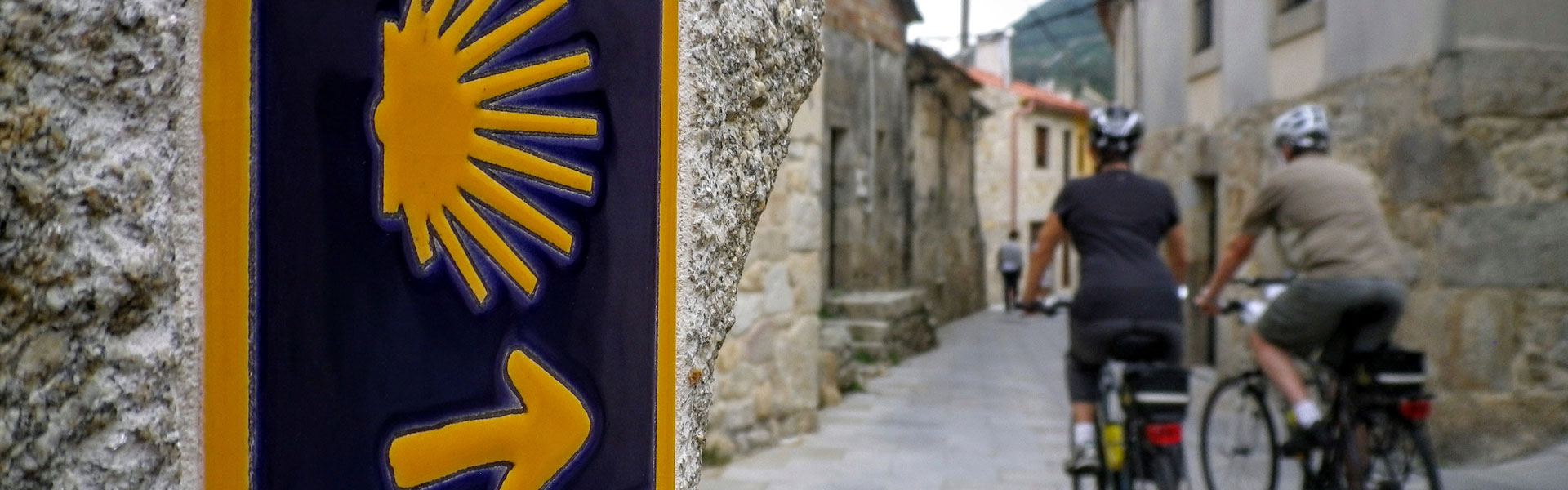
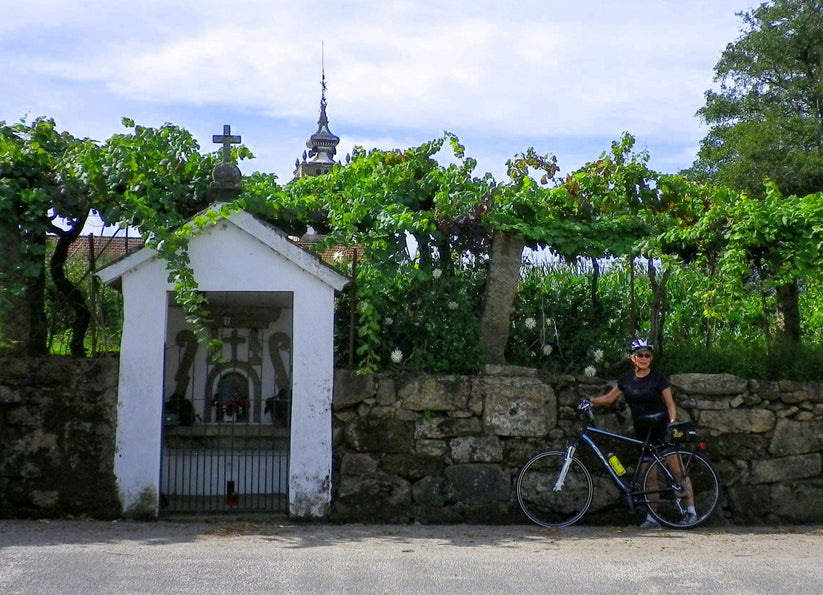
Portugal is a dream destination for cyclists—with sun-drenched coastlines, rolling vineyards, medieval villages, and quiet country roads. But let's face it: even the most seasoned riders can find those long climbs and headwinds a challenge. That’s where electric bikes (Ebikes) come in. Thinking about cycling through Portugal but worried about steep climbs or long distances? Ebikes are changing the game for cycling holidays—especially in a country as hilly and varied as Portugal. Whether you're an occasional rider or an experienced cyclist looking for a more relaxed experience, an electric bike can make your journey more enjoyable, more scenic, and more accessible. Table of ContentsWhat is an Ebike?An Ebike (electric bicycle) combines the frame and function of a traditional bike with the support of a battery-powered motor. The pedal-assist system gives you a boost when you need it most—on steep hills, against headwinds, or after a long day in the saddle. You still pedal, but with significantly less effort. At Cycling Rentals, our fleet features Shimano-powered motors known for reliability, smooth assistance, and long battery life. They’re perfect for both flat and windy or mountainous routes. Why Ebikes Are Ideal for Touring PortugalPortugal’s charm lies in its diversity: rolling vineyard hills, rugged coastal cliffs, medieval villages perched on hilltops, and winding backroads. That beauty comes with some elevation—and that’s where an Ebike shines. 1. Climb Hills with Less EffortWhether you're riding through the steep Douro Valley or ascending the Camino Portugués, Ebikes help flatten the landscape. No more worrying about your fitness level or stopping mid-climb. 2. Ride Further, Explore MoreWith pedal assist, you can comfortably cover longer distances each day. More mileage means more time to explore that secluded beach or charming café you might have otherwise skipped. 3. Stay Energized and PresentLess physical strain means more energy to soak in your surroundings. Focus on the scenery, not your legs! 4. Keep Groups TogetherTraveling with family or a group? Ebikes bridge the fitness gap, helping everyone stay together and enjoy the experience equally. Where to Ride an Ebike in PortugalNot all bike tours are created equal, some are designed specifically with Ebikes in mind. Here are three incredible (and hilly) routes in Portugal where an Ebike will make your journey smoother and more fun: Camino Portugués Coastal Route Douro Valley Wine Region EuroVelo 1 – Atlantic Coast Route If you're looking for even more inspiration on where to ride, be sure to check out our guide to The Best Cycling Routes in Portugal: From the Coast to the Mountains. It highlights a wide variety of unforgettable routes across the country, from leisurely coastal rides to thrilling mountain challenges. Paired with an ebike, these routes open up endless possibilities for every type of cyclist. What’s Included with our Ebike Rentals in PortugalAll our Ebikes are prepared for you for a worry-free ride:
Learn more on our Ebikes Model Page.
What’s Included on our Self Guided Ebike Tours in PortugalAll our self guided ebike tours come with everything you need for a worry-free tour:
Tips for First-Time Ebike TourersIf you’re new to Ebike travel, don’t worry. It’s easy to get the hang of and incredibly rewarding. With just a few practical tips, you’ll quickly feel confident and in control, ready to make the most of your Portugal cycling adventure.
From battery management to riding technique, these pointers will help you ride smarter, safer, and more comfortably from day one.
Real Riders, Real FeedbackWondering what it’s really like to explore Portugal by Ebike? Hear from fellow cyclists who’ve tackled the hills, coastlines, and countryside on two wheels, with a little help from electric assist. Their stories offer an insight into the freedom, fun, and unforgettable moments that an Ebike tour can bring. You can find even more on our Cycling Rentals Reviews page.
Ready to Ride?Ebikes are a fantastic way to make your Portugal cycling holiday more accessible, comfortable, and adventurous. Whether you're tackling rugged wine-country climbs or breezing along the Atlantic coast, Ebikes offer the freedom to ride your way, with less strain and more fun! Further ReadingAs an avid cyclist, I understand the importance of having the right gear for my rides. One of the most crucial pieces of equipment is a comfortable and reliable bike helmet. Top Picks
How I Chose the Best HelmetsWhen selecting a bike helmet, I consider several factors to ensure I make the right choice. Comfort is paramount, as I want to wear the helmet for extended periods without discomfort. Safety features, such as MIPS technology, are also crucial for added protection. Giro Fixture II MIPS Mountain Bike Helmet
The Giro Fixture II MIPS helmet is designed for everyone—men, women, and kids alike. With its sleek Matte Titanium finish, it not only looks good but also offers top-notch protection for your head during those long rides. I love how it fits comfortably right out of the box, thanks to its universal sizing that accommodates head circumferences from 54 to 61 cm. Whether I'm commuting to work or hitting the trails on the weekend, this helmet has become my go-to choice. Plus, the ventilation is fantastic, keeping my head cool even on hot days. If you're looking for a reliable helmet that combines comfort and safety, I highly recommend giving this one a try. What People SayUsers rave about the comfort and fit of the Giro Fixture II. Many appreciate the adjustable chin strap and the lightweight design, making it ideal for long rides. The MIPS technology is a standout feature that adds an extra layer of protection, which gives peace of mind while cycling.
- Kevin C
- JUSTCHILL3N Why You'll Love It
Versatile UsePerfect for both daily commutes and weekend adventures, this helmet is versatile enough to suit any biking occasion. Whether you're navigating city streets or tackling rugged trails, it provides the comfort and safety you need. Current Price: $74.95 Rating: 4.8 (Total: 14019+) Met Downtown MIPS Helmet Black/Glossy, S/M
The Met Downtown MIPS helmet is a fantastic choice for anyone looking to enjoy long rides with comfort and safety in mind. With its sleek black glossy finish, it not only looks stylish but also features MIPS technology, which provides an extra layer of protection against rotational forces during impacts. I’ve found it to be incredibly comfortable, fitting snugly without feeling too tight. Whether I'm commuting through the city or taking a leisurely ride on the weekend, this helmet has become my reliable companion. Plus, the lightweight design means I hardly notice I'm wearing it, making those longer rides much more enjoyable. What People SayUsers appreciate the comfort and fit of the Met Downtown helmet. Many highlight the adjustable features and lightweight design, making it perfect for extended rides. The MIPS technology is a significant plus, providing peace of mind while cycling.
- Claire
- Phil Alexander Why You'll Love It
Versatile UseThis helmet is perfect for both daily commutes and weekend adventures. Whether you're navigating busy city streets or enjoying a scenic route, it offers the comfort and safety you need to focus on the ride. Current Price: $79.00 Rating: 4.8 (Total: 13+) OutdoorMaster Gem Recreational MIPS Cycling Helmet - Mint Green
The OutdoorMaster Gem helmet is a standout choice for anyone gearing up for long rides. With its vibrant mint green color, it not only looks great but also incorporates MIPS technology, which adds an extra layer of safety against rotational forces during impacts. I’ve found it to be incredibly comfortable, thanks to its lightweight design and adjustable fit. Whether I'm cruising through the city or tackling a mountain trail, this helmet has quickly become my go-to. Plus, the ventilation keeps my head cool, making those longer rides much more enjoyable. What People SayUsers rave about the comfort and fit of the OutdoorMaster Gem helmet. Many highlight the adjustable features and ventilation, making it ideal for extended rides. The MIPS technology is a significant plus, providing peace of mind while cycling.
- Joshua R
- AO Wildcat Why You'll Love It
Versatile UseThis helmet is perfect for both daily commutes and weekend adventures. Whether you're navigating busy city streets or enjoying a scenic route, it offers the comfort and safety you need to focus on the ride. Current Price: $48.13 Rating: 4.8 (Total: 1127+) Giro Fixture Adult Recreational Cycling Helmet - Matte Trim Blue
The Giro Fixture helmet is a fantastic option for anyone looking to enjoy long rides without compromising on comfort or safety. With its sleek matte trim blue design, it not only looks stylish but also offers excellent ventilation to keep your head cool during those warm summer rides. I’ve found it to be incredibly comfortable, thanks to the Roc Loc Sport fit system that allows for easy adjustments. Whether I’m commuting to work or hitting the trails, this helmet has quickly become my favorite companion on two wheels. What People SayUsers appreciate the Giro Fixture for its comfort and fit. Many highlight the adjustable features and ventilation, making it ideal for extended rides. The stylish design is also frequently mentioned, adding to its appeal.
- Nathan
- ALH Why You'll Love It
Versatile UseThis helmet is perfect for both daily commutes and weekend adventures. Whether you're navigating busy city streets or enjoying a scenic route, it offers the comfort and safety you need to focus on the ride. Current Price: $42.96 Rating: 4.8 (Total: 1715+) Polisport Twig Mtb Helmet
The Polisport Twig helmet is a standout choice for anyone who loves long rides and values comfort and safety. What People SayMany users rave about the comfort and ventilation of the Polisport Twig helmet. The lightweight feel and stylish design are frequently mentioned, making it a favorite among both casual riders and serious cyclists.
- BikeLover123 Why You'll Love It
Versatile UseThis helmet is perfect for both daily rides and adventurous mountain biking. Whether you're navigating city streets or tackling rugged trails, it provides the comfort and protection you need to enjoy every moment on your bike. Current Price: $112.05 Rating: 4.7 (Total: 250+) FAQWhat should I look for when buying a comfortable bike helmet for long rides?When I'm shopping for a bike helmet, especially for long rides, I focus on a few key features. First, I check for comfort and fit. A helmet should feel snug but not too tight, and I love options with adjustable straps and a fit system, like the Giro Fixture II MIPS. Ventilation is also crucial; I want to ensure that my head stays cool during those longer rides. Lastly, I always look for safety features like MIPS technology, which provides extra protection against rotational forces in case of an accident. How do I know if a helmet fits properly?To ensure a helmet fits properly, I start by measuring my head circumference and comparing it to the sizing chart provided by the manufacturer. When I put the helmet on, it should sit level on my head, not tilted back or forward. I also check that the straps form a 'V' shape just below my ears and that the chin strap is snug but comfortable. If I can fit two fingers between the strap and my chin, I know it's just right. Lastly, I give it a little shake; if it moves around too much, it might be too big. Are there any tips for wearing a helmet during long rides?Absolutely! I always make sure to wear my helmet correctly, ensuring it's fastened securely before I hit the road. For long rides, I find it helpful to wear a moisture-wicking headband or cap underneath to absorb sweat and keep my head cool. I also take breaks to let my head breathe if I'm feeling overheated. Lastly, I regularly check the fit and comfort of my helmet during rides, adjusting the straps if necessary to maintain that snug fit. It’s all about making sure I’m comfortable and safe while enjoying my ride! Wrapping UpIn conclusion, investing in a quality bike helmet is essential for any cyclist looking to enjoy long rides safely and comfortably. The helmets I've highlighted offer a range of features that cater to different needs and preferences. By choosing the right helmet, you can focus on the joy of cycling, knowing that your head is well protected.
This Roundup is reader-supported. When you click through links we may earn a referral commission on qualifying purchases.
|


RSS Feed